Review: Graduation Cap with Diploma Embroidery Design
As a designer who spends more time staring at stitch maps than actual thread, I have learned that not all machine embroidery design files are created equal. Some look fantastic on a screen but turn into a tangled mess of bobbin thread on fabric. Others are so sparse they lack impact. When I pulled up the Graduation Cap with Diploma file for a recent client project, my first instinct was to scrutinize the digitizing quality before committing to a final product. This review breaks down how this specific embroidery file performs in real-world scenarios, helping you decide if it belongs in your digital library.
First Impressions and Visual Personality
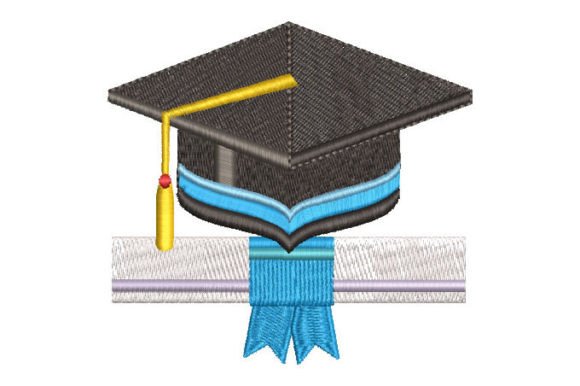
The initial view of the Graduation Cap with Diploma design suggests a clean, celebratory aesthetic. It avoids the cluttered, overly complex look that plagues many academic-themed designs. Instead, it relies on strong silhouettes—the iconic square mortarboard and the rolled scroll—to convey its message instantly. For an Etsy seller or craft business owner, instant recognition is crucial. Customers scrolling through hundreds of listings need to understand the theme within seconds.
The mood here is professional yet joyful. It does not scream "party" so loudly that it feels childish, nor is it so stiff that it feels corporate. This balance makes it versatile. Whether you are creating a personalized gift for a high school senior or a boutique item for a college graduate, the visual personality fits. The layout appears balanced, with the cap and diploma interacting in a way that creates a cohesive unit rather than two disjointed clip-art elements floating near each other.
Real-World Application: The Tote Bag Test
To truly evaluate a design, you must imagine it stitched out. I recently used a similar concept for a custom tote bag design intended as a graduation gift. The canvas material of a tote provides a stable base, which is ideal for testing stitch clarity. When I simulated the Graduation Cap with Diploma on this medium-weight fabric, the results were promising.
The design holds its shape well on flat surfaces. For sweatshirt embroidery, the outcome depends heavily on the garment's texture. A smooth cotton blend will showcase the details, while a fuzzy fleece might swallow smaller elements. If you are planning to use this on a hoodie, consider sizing up slightly to ensure the diploma scroll remains distinct against the pile of the fabric. For baby embroidery projects, such as a onesie or bib, this design might be too large or detailed unless scaled down significantly, which brings us to the importance of checking minimum size limits.
Versatility Across Products
- Custom Apparel: Works well on left-chest positions for polos or center-chest for t-shirts.
- Embroidered Patch: The contained shape makes it a strong candidate for iron-on or sew-on patches.
- Pillow Covers: Adds a nice decorative accent to nursery decor or commemorative home goods.
- Holiday Embroidery: Perfect for May and June seasonal offerings in your small shop product lineup.
Technical Considerations and Stitching Performance
While the visual appeal is strong, the technical execution determines whether the finished product looks professional. One critical factor is stitch density. If the cap area uses heavy fill stitch without proper underlay, it can pucker thin fabrics. Conversely, if the diploma uses only running stitch outlines, it may look insubstantial on textured materials like denim or toweling.
I recommend examining the stitch types closely. A good mix of satin stitch for borders and fill stitches for larger areas usually yields the best coverage and sheen. For the Graduation Cap with Diploma, pay attention to the tassel. Thin, dangling elements are notorious for catching on machine parts or unraveling after washing. Ensure the digitizer has secured these ends properly.
Fabric texture plays a massive role here. On smooth sateen or broadcloth, the design will pop with high contrast. On rougher linen or burlap, you might lose some definition. Always test on scrap fabric first. This is non-negotiable for professional commercial embroidery work. A failed stitch-out on a client’s expensive blazer is a cost you do not want to absorb.
Navigating Challenging Surfaces
Curved surfaces present unique challenges. If you plan to embroider this on a cap or hat, the curvature can distort the image. The square shape of the mortarboard might appear warped if not centered perfectly or if the hoop tension is uneven. Use a sturdy stabilizer—likely a cut-away for stretchy caps or a tear-away for structured hats—to maintain integrity. Avoid placing the design too close to the seam where the brim meets the crown, as this area is difficult to hoop flat.
Enhancing Product Value and Brand Consistency
For digital product sellers and apparel decorators, consistency is key to building trust. Using a high-quality design asset like this helps maintain a professional brand image. When customers receive a handmade product with crisp, clean stitching, they are more likely to leave positive reviews and return for future purchases. The Graduation Cap with Diploma contributes to this perception of quality if executed correctly.
Consider how the design looks in different thread colors. While traditional black caps with gold diplomas are standard, experimenting with school colors can open up new markets. Create printable mockup images showing the design in various colorways to attract a broader audience. Testing the design in black and white can also reveal if the contrast is sufficient for visibility on dark fabrics.
Practical Designer Notes for Best Results
- Check Licensing: Before selling items made with this digital embroidery file, confirm the license terms. Some designers allow unlimited commercial use, while others restrict sales volume or require attribution.
- Verify Hoop Size: Ensure the design fits your available hoops. If it requires a 5x7 hoop but you only have 4x4, you will need to resize, which can affect stitch density and quality.
- Stabilizer Selection: Match your stabilizer to your fabric. Lightweight fabrics need more support to prevent puckering from the fill stitch areas.
- Detail Inspection: Zoom in on the diploma text or small details. If they are too tiny, they may not stitch out clearly. Simplify or enlarge if necessary.
- File Formats: Confirm that the package includes the format compatible with your machine (e.g., PES, DST, JEF). The product description mentions multiple formats, but always double-check before purchase.
Final Verdict
The Graduation Cap with Diploma is a solid addition to any embroidery project library focused on academic milestones. It offers a clean, recognizable motif that translates well to various custom apparel and home decor items. However, its success relies on thoughtful application. Respect the limitations of your fabric, choose the right stabilizer, and always test before production. For makers and creative entrepreneurs looking to capitalize on graduation season, this design provides a reliable foundation for creating memorable, high-value products. Just remember that the magic lies not just in the file, but in the care taken during the stitching process.