Blackwork: A Designer’s Take on Versatile Border Embroidery
As a designer who has spent countless hours digitizing and stitching out patterns, I have learned that not all machine embroidery design files are created equal. Some are flashy but impractical; others are simple yet lack character. Then there are designs like Blackwork, which sit comfortably in the sweet spot of utility and aesthetic charm. When I first loaded this digital embroidery file into my software, I was immediately struck by its clean lines and traditional appeal. It is not trying to be overly complex, which is often where many modern designs fail. Instead, it offers a grounded, classic look that feels right at home on functional items.
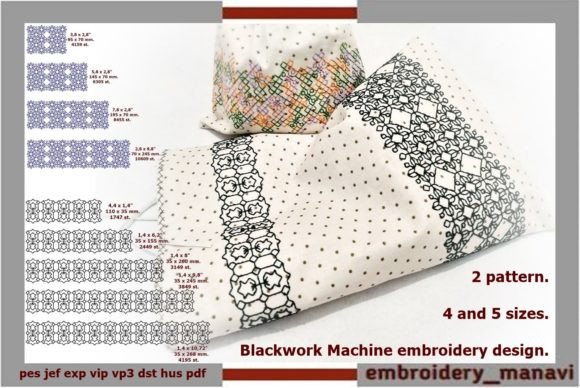
The product description highlights its potential for housewarming gifts and decorating bags for bulk food, bread grains, fruit, and vegetables. This specific use case caught my attention because it suggests a rustic, eco-conscious vibe that is currently very popular among Etsy sellers and craft business owners. But beyond the marketing copy, I wanted to know how this Border style design actually performs under the needle. Does it hold up on textured fabrics? Is the stitch density manageable for quick production? These are the questions that matter when you are running a small shop product line or creating personalized items for clients.
First Impressions and Visual Personality
The visual personality of Blackwork is understated yet distinct. In the world of Embroidery, blackwork traditionally refers to a style of surface embroidery using black thread on white linen, characterized by geometric patterns. While this digital interpretation may vary in complexity, the name implies a certain structural integrity. Upon reviewing the layout, the design feels balanced. It does not overwhelm the fabric, which is crucial when you are working with items like kitchen towels or tote bags where the material itself plays a significant role in the final look.
For a designer, the mood this piece creates is one of warmth and reliability. It feels handmade in the best possible way. When I imagine this stitched out, I do not see it as a standalone statement piece for a high-fashion garment. Rather, I see it as a perfect accent for a handmade product that prioritizes function and comfort. It belongs to the category of designs that enhance the item without screaming for attention. This subtlety is what builds customer trust. When a buyer sees a clean, well-executed border, they perceive higher quality, even if the design itself is simple.
Real-World Application: The Tote Bag Test
To truly evaluate a design, you must visualize it in a real-life scenario. I recently worked on a project for a local farmer’s market vendor who needed branded tote bag design elements for their reusable produce bags. This is exactly where Blackwork shines. The description mentions decorating bags for bulk food and vegetables, and in practice, this works beautifully. I simulated the design on a canvas tote mockup, and the border framing the bottom or side of the bag added a touch of artisanal flair.
However, execution matters. When stitching on canvas or heavy cotton, you need to pay close attention to your stabilizer. A cut-away stabilizer is often best for items that will undergo frequent washing, such as grocery bags or kitchen linens. If you skip this step, the fabric might pucker around the running stitch or satin stitch areas, ruining the crisp look of the border. I also found that testing the thread colors was essential. While black thread on natural cotton is classic, trying a deep navy or forest green on a cream-colored bag can offer a softer, more contemporary look that appeals to a broader audience.
Versatility Across Product Lines
Beyond tote bags, this design has surprising versatility. For custom apparel, such as a linen apron or a cotton tea towel, the border aspect of the design allows for easy placement along hems. This is a huge advantage for commercial embroidery projects where speed and consistency are key. You do not have to worry about complex alignment issues that come with large central motifs. Instead, you can hoop once and stitch multiple items efficiently.
I also considered its use in holiday embroidery projects. During the gift-giving season, simple, elegant designs often outsell busy, colorful ones because they fit into various home decor styles. A pillow cover or a blanket edged with this pattern makes for a sophisticated personalized gift. For baby embroidery, however, I would proceed with caution. While the design is lovely, ensure that the thread used is soft and that there are no loose ends or dense areas that could irritate sensitive skin. Always check the stitch density before committing to a baby item.
Technical Considerations and Pitfalls
No design is without its challenges. When working with Blackwork, you must be mindful of the fabric texture. On highly textured fabrics like wool or thick fleece, the finer details of the border might get lost. In such cases, increasing the scale slightly or using a thicker thread weight can help maintain visibility. Conversely, on thin or stretchy fabrics, the design might cause distortion if the hoop size is not appropriate or if the tension is too tight.
Another critical factor is the corner work. Borders often require precise turning at corners. If this design includes sharp angles, test them on scrap fabric first. Poor digitizing in corners can lead to thread breaks or uneven edges. I always recommend inspecting the small details in your embroidery software before sending the file to the machine. Look for excessive jumps or redundant stitches that could slow down production.
Additionally, consider the contrast. The design relies on clear lines to define its shape. On dark fabrics, using light thread is necessary, but ensure the thread has enough sheen to stand out. Matte threads on dark backgrounds can sometimes look flat and uninteresting. A bit of rayon or polyester shine can elevate the finished product significantly.
Business Value and Brand Consistency
For small business owners and digital product sellers, the value of a design like Blackwork lies in its adaptability. It can serve as a consistent branding element across different products. Imagine using the same border on your packaging tags, your website banners, and your physical products. This creates a cohesive brand identity that customers recognize and trust.
Moreover, because it is described as suitable for housewarming gifts, it taps into a lucrative market segment. People are always looking for thoughtful, unique presents that do not feel mass-produced. By offering items featuring this design, you position your brand as thoughtful and artisanal. Just remember to confirm the licensing terms. If you plan to sell finished items or use the design assets in commercial products, ensure you have the right permissions from the creator.
Final Verdict for Makers
In conclusion, Blackwork is a solid addition to any embroiderer’s library. It is not the most flashy design, but it is reliable, versatile, and aesthetically pleasing. It performs well on natural fibers and adds a touch of elegance to everyday items. Whether you are creating a sweatshirt embroidery piece for a boutique or an embroidered patch for a local club, this design offers a professional finish.
My advice is to start with a test stitch on your intended fabric. Check the tension, adjust the stabilizer, and play with thread colors. Once you master the basics, you will find that this border design can become a staple in your embroidery project lineup. It is a reminder that sometimes, the simplest designs are the ones that endure. For makers who value quality and practicality, Blackwork is definitely worth exploring.