Dance of the Skeletons: A Designer’s Review
As an embroidery designer who has spent countless hours hooping fabric and testing files for weekend craft fairs, I know that not every digital file translates into a best-selling handmade product. When I first loaded Dance of the Skeletons into my software, I was looking for more than just a spooky motif; I was looking for a reliable revenue generator for the autumn season. This review breaks down how this specific design performs in the real world, from the hoop to the checkout counter.
First Impressions: Mood and Market Fit
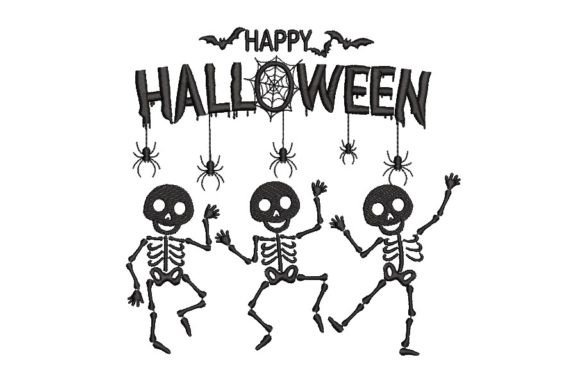
The title alone suggests movement and personality. Dance of the Skeletons does not feel like a static, scary horror image. Instead, it leans into the playful, festive side of Halloween. For craft fair sellers, this is crucial. You want a design that appeals to families, young adults, and anyone looking for whimsical decor rather than something too dark or intense. The description notes that it will "instantly spice up your fall sewing projects," which aligns perfectly with the current trend of cozy, seasonal home goods. It feels modern yet rustic enough to fit into a farmhouse-style booth display. If you are an Etsy seller or a boutique maker, this vibe is highly marketable because it bridges the gap between traditional holiday decor and contemporary style.
Product Versatility and Application
The true test of any machine embroidery design is its versatility. Can it work on a tiny patch and a large pillow cover? Based on the description stating it comes with "multiple emb" (likely meaning multiple sizes or formats), this design appears built for adaptability. Here is how I envision it performing across different craft fair products:
- Tote Bags and Market Bags: This is arguably the strongest application. A medium-to-large version of Dance of the Skeletons centered on a canvas tote creates an instant statement piece. Shoppers at farmers' markets love reusable bags with personality. The design acts as a focal point, drawing the eye from three feet away.
- Apron Embroidery: For kitchen-themed booths, placing this design on the bib of a sturdy cotton apron adds charm. It transforms a utilitarian item into a giftable small shop product. Ensure the placement is high enough to be seen when the apron is folded for display.
- Tea Towel Embroidery: Kitchen textiles are staple sellers. However, caution is needed here. Towels have a loose weave. You must use a proper cut-away stabilizer to prevent puckering. The design should not be too dense, or it will weigh down the lightweight fabric.
- Embroidered Patches: If the design includes a smaller size variant, it is perfect for iron-on or sew-on patches. These are low-cost, high-margin items that encourage impulse buys at your booth.
- Caps and Headwear: Curved surfaces are tricky. If you attempt this on a cap, ensure the design width fits within the standard 4x4 or 5x7 hoop constraints without distorting. Simple lines work better here than complex shading.
Production Practicality for Batch Selling
When preparing for a busy weekend market, time is money. A design that takes four hours to stitch is not practical for batch production unless you are charging a premium price. While the exact stitch count is not provided in the brief description, the phrase "spice up your fall sewing projects" implies it is decorative rather than overly complex. As a designer, I recommend checking the stitch density before committing to a large run. High-density designs can cause fabric to pucker and require more thread changes, slowing down your workflow.
Photography is another critical factor. Dance of the Skeletons needs to pop in your online listings. Because skeletons are typically white or bone-colored, contrast is key. Stitching this on dark navy, black, or deep orange fabric will make the design stand out in photos. For your printable mockup assets, ensure you show the design on various backgrounds to help customers visualize the final look. A design that photographs well converts better on Etsy and social media.
Careful-Use Notes and Technical Considerations
Even the best digital embroidery file can fail if executed poorly. Here are specific technical challenges to watch for with skeleton-themed designs:
- Tiny Details: Skeletons often have small bones or facial features. If these details are too small, they may not stitch out cleanly on textured fabrics like terry cloth or linen. Always test on scrap fabric first.
- Thread Colors: Stick to high-contrast threads. White, cream, or glow-in-the-dark threads work best against dark backgrounds. Avoid low-contrast combinations like beige on white, which will look muddy from a distance.
- Fabric Texture: Avoid using this design on very plush or fuzzy fabrics unless you use a water-soluble topping. The stitches can get lost in the pile, ruining the clarity of the skeleton's form.
- Hoop Size: Confirm the maximum hoop size supported by the file. Do not attempt to enlarge a small design beyond its intended dimensions, as this will cause pixelation and poor stitch quality.
Boosting Brand Consistency and Buyer Engagement
Using Dance of the Skeletons consistently across your product line strengthens your brand identity. If you sell a tote bag, a matching tea towel, and a set of coasters featuring the same motif, you create a cohesive collection. This encourages buyers to purchase multiple items, increasing your average order value. For booth displays, group these items together. A table dedicated to "Spooky & Sweet" items featuring this design creates a strong visual anchor that draws customers in.
Furthermore, this design supports commercial use, which is vital for professional makers. Before selling any finished product, always double-check the license terms included with the design assets. Most reputable designers allow unlimited physical sales but restrict the redistribution of the digital file itself. Respecting these terms protects your business reputation and supports the creative community.
Final Verdict for Craft Entrepreneurs
Dance of the Skeletons is a strong contender for your fall inventory. It balances festive fun with wearable art, making it appealing to a broad demographic. Its success lies in execution: choose the right fabrics, ensure high contrast, and verify the technical specs of the embroidery file before mass production. By treating this design as a core element of your seasonal collection, you can create standout commercial embroidery pieces that sell out quickly. Remember, the goal is not just to stitch a design, but to create a product that brings joy to the buyer and profit to your business. Test, tweak, and let this skeleton dance its way into your best-sellers list.