Heron and Cattail Grass Miniature: A Designer’s Review
As a designer who spends more time staring at stitch simulations than I do sleeping, I have learned to be skeptical of "cute" miniature designs. Often, they sacrifice clarity for size, resulting in muddy blobs once the needle hits the fabric. However, when I loaded the Heron and Cattail Grass Miniature into my software, I was pleasantly surprised by its structural integrity. This is not just a generic bird icon; it is a thoughtful composition that balances negative space with detailed line work, making it a standout choice for specific embroidery projects.
First Impressions: Mood and Visual Personality
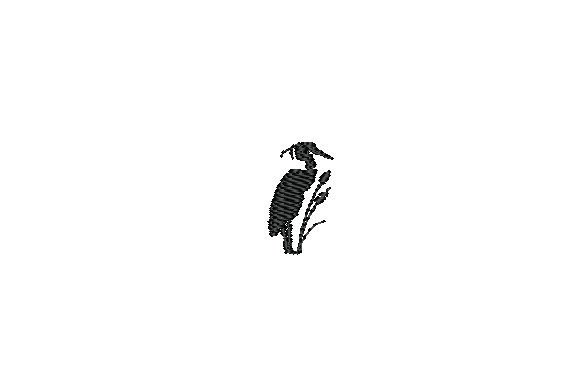
The immediate appeal of this design lies in its serenity. The silhouette of the heron, standing stoically among the vertical lines of the cattail grass, evokes a quiet marshland morning. For bird lovers and nature enthusiasts, this mood is instantly recognizable and emotionally resonant. From a technical standpoint, the layout is smart. The vertical orientation of the reeds complements the upright posture of the bird, creating a cohesive unit rather than two disjointed elements.
Because this is a single-color design, it relies entirely on shape and stitch placement to convey detail. There is no room for error here. If the stitch density is too high, the fine details of the reeds will merge into a solid block. If it is too low, the heron’s elegant neck might look jagged. In my initial review, the balance seemed right for a mini-sized machine embroidery design, suggesting it was digitized with small hoop limitations in mind.
Real-World Application: The Tote Bag Test
To truly evaluate a design, you must imagine it on a product. I recently worked with a client running a small eco-friendly boutique who needed a subtle accent for their canvas tote bags. They wanted something that screamed "nature" without being overly loud or colorful. The Heron and Cattail Grass Miniature was the perfect candidate.
We placed the design on the lower corner of a natural cotton tote. Because the design is compact, it didn’t overwhelm the bag’s surface. Instead, it acted as a sophisticated logo-like element. The single-color approach allowed us to match the thread exactly to the brand’s earthy aesthetic—using a deep forest green on beige canvas. The result was a high-end, minimalist handmade product that felt intentional and curated. Customers often overlook small details, but when they spot this level of clean stitching, it builds immediate trust in the quality of the finished product.
Versatility Across Product Lines
Beyond tote bags, this design shines in several other areas. For custom apparel, such as a linen button-down shirt or a lightweight sweatshirt, the miniature scale is ideal for left-chest placement. It adds a touch of personality without looking like a corporate uniform logo. For baby embroidery, the gentle theme works beautifully on muslin swaddles or nursery bibs, provided you use a soft, non-irritating thread.
I also see strong potential for this design in home decor. Imagine it stitched onto a set of kitchen tea towels or a pillow cover for a lakeside cabin. The vertical nature of the cattails translates well to rectangular fabric spaces. For Etsy sellers and craft business owners, this versatility means you can create multiple SKUs from a single digital embroidery file, maximizing your return on investment.
Technical Considerations and Fabric Choices
While the design is robust, it is not foolproof. As with any miniature work, fabric choice is critical. On thick, textured fabrics like terry cloth or heavy wool, the fine lines of the cattail grass may get lost. I recommend using this design on smooth, tightly woven fabrics like cotton poplin, linen, or stable polyester blends. If you must use a textured fabric, consider increasing the stitch count slightly or using a thicker thread to ensure visibility, though this may alter the delicate feel of the original digitizing.
Stabilizer selection is equally important. For stretchy fabrics like jersey knits used in sweatshirt embroidery, a cut-away stabilizer is non-negotiable to prevent distortion. For woven fabrics, a tear-away stabilizer usually suffices. Always test on a scrap piece first. I cannot stress this enough: what looks perfect on screen can pull or pucker in real life if the tension is off.
Dark fabrics present another challenge. Since this is a single-color design, contrast is key. Stitching white thread on black fabric works, but ensure your machine’s tension is calibrated to prevent the bottom thread from showing. Alternatively, use a metallic or variegated thread to add depth, but be aware that this may obscure some of the finer details of the heron’s form.
Commercial Viability and Branding
For commercial embroidery professionals, the simplicity of this design is a asset. It stitches out quickly, reducing machine time and production costs. This efficiency is crucial for small batch runs or custom orders with tight deadlines. Furthermore, the timeless nature of wildlife imagery ensures that the design does not feel trendy or dated, making it a safe bet for long-term inventory.
When creating printable mockups for your online shop, remember to showcase the design on various backgrounds. Show it on a light denim jacket, a dark navy cap, and a neutral apron. This helps customers visualize the versatility of the embroidery file and increases buyer engagement. Highlighting the clean lines and professional finish in your product photos can significantly boost perceived value.
Final Verdict and Practical Tips
The Heron and Cattail Grass Miniature is a well-digitized asset that respects the constraints of small-scale embroidery. It avoids the common pitfall of over-complication, opting instead for clear, recognizable shapes that read well from a distance. For designers, it offers a reliable tool for adding a touch of nature-inspired elegance to a wide range of products.
Before you commit to a large production run, keep these practical notes in mind:
- Test on Scrap Fabric: Always run a test stitch-out on the exact fabric and stabilizer combination you plan to use.
- Check Thread Contrast: Ensure your thread color stands out against the fabric background without clashing.
- Review Stitch Density: If the design appears too dense on your machine, adjust the tension or speed accordingly.
- Confirm Hoop Size: Verify that the design fits comfortably within your chosen hoop, leaving enough margin for stabilization.
- Inspect Small Details: Zoom in on the heron’s beak and the tips of the reeds to ensure they are sharp and not frayed.
- Licensing Check: Confirm the license terms for the digital embroidery file before selling finished items or using it in commercial projects.
In conclusion, if you are looking for a refined, nature-themed element that performs well in real-world applications, this design deserves a spot in your library. It is a testament to the idea that sometimes, less is indeed more.