Jesus Retro: A Designer’s Review for Branded Merch
As an embroidery designer who has spent years digitizing logos and testing files for small business owners, I approach every new machine embroidery design with a critical eye. It is not just about whether the image looks good on a screen; it is about how it performs under the needle, how it wears after fifty washes, and how it elevates a brand’s identity. Recently, I evaluated Jesus Retro, a digital file positioned within the Religion category, to determine its viability for commercial use. For boutique owners, Etsy sellers, and apparel decorators, understanding the nuance of this design is crucial before adding it to your product line.
First Impressions: Balancing Faith and Fashion
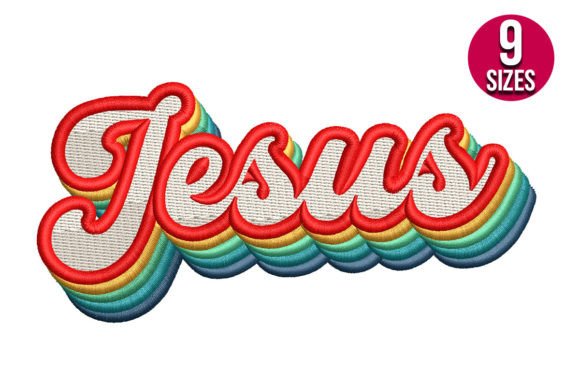
The title Jesus Retro immediately sets a specific expectation. We are not looking at a hyper-realistic portrait or a stark, modern minimalist icon. Instead, the "retro" descriptor suggests a nostalgic, perhaps seventies-inspired aesthetic that is currently trending in handmade product markets. When I first loaded the preview, the design felt friendly and approachable rather than overly solemn. This is a significant advantage for small business merch. A design that feels too rigid can alienate casual buyers, but one that feels warm and decorative invites engagement.
For Christian sewing projects, this balance is delicate. The design appears to complement the fabric rather than dominate it, acting as a meaningful accent. In my professional opinion, this visual personality works exceptionally well for brands that want to express faith without appearing aggressive. It fits seamlessly into the current market demand for vintage-inspired custom apparel and lifestyle goods.
Real-World Applications for Small Business Merch
The true test of any digital embroidery file is its versatility. I simulated several use cases for Jesus Retro to see where it shines in a commercial setting. Here is how this design performs across different product types:
- Embroidered Patches: This is arguably the strongest application. A retro-style design translates beautifully to a patch format. It allows customers to buy a standalone item they can iron or sew onto jackets, bags, or hats. For a handmade brand, selling these as add-ons increases average order value significantly.
- Café and Boutique Aprons: Imagine a Christian bakery or a faith-based bookstore. Embroidering this design on the chest pocket of a canvas apron adds a layer of professionalism and brand consistency. It signals to customers that the staff shares the values of the establishment.
- Tote Bag Design: Canvas tote bags are staples for Etsy sellers. Placing Jesus Retro centrally on a natural cotton tote creates a high-contrast, eye-catching accessory. The retro vibe appeals to younger demographics who appreciate vintage aesthetics in their everyday carry items.
- Cap Embroidery: While possible, cap fronts require careful handling. The curvature of the hat can distort detailed designs. However, if the retro elements are bold enough, this can serve as a striking side-panel detail or a centered front logo for church groups or ministry events.
Technical Considerations and Stitch Density
From a technical standpoint, using Jesus Retro requires attention to detail. The description notes that this machine embroidery design comes with multi-format options, which is standard, but the internal structure of the stitches matters most. Retro designs often utilize satin stitches for bold outlines or fill stitches for a textured, vintage look.
Stitch density is a primary concern. If the design is too dense, it can cause puckering, especially on lighter fabrics like t-shirts or thin tote bags. Conversely, if it is too loose, the fabric underneath may show through, ruining the finished product. I strongly advise running a test stitch-out on your specific fabric type before committing to a large production run. Pay close attention to how the thread colors interact. Retro palettes often use muted or earthy tones, which must contrast sufficiently with the garment color to remain legible.
Another critical factor is the hoop size. Ensure that the design fits comfortably within your machine’s maximum hoop area, leaving enough margin for stabilizer grip. For smaller items like pocket squares or baby onesies, you may need to resize the design. However, be cautious: shrinking a complex embroidery file can lead to overlapping stitches and thread breaks. Always check the manufacturer’s guidelines regarding minimum resize percentages.
Brand Identity and Customer Trust
Why does the choice of design matter for your brand identity? Consistency builds trust. If your brand is built on warmth, community, and faith, Jesus Retro reinforces those values visually. When a customer receives a high-quality handmade product with clean, professional embroidery, their perception of your brand’s value increases. Sloppy stitching or inappropriate design choices can undermine that trust instantly.
Using this design in your commercial embroidery projects signals that you understand current trends while respecting traditional values. It helps differentiate your products from mass-produced, screen-printed alternatives. The tactile nature of embroidery adds a premium feel that customers are willing to pay more for. Whether used as a subtle sleeve detail on a work shirt or a bold statement on a backpack, the design serves as a silent ambassador for your business.
Where to Use Caution
While versatile, Jesus Retro is not suitable for every scenario. Avoid using it on highly textured fabrics like thick fleece or rough burlap unless you use a heavy-duty cut-away stabilizer. The intricate details of retro typography or illustrative elements can get lost in the nap of fuzzy fabrics. Additionally, be mindful of dark uniforms. If the design relies on light thread colors, ensure you have a high-contrast underlay or consider adjusting the thread palette to maintain visibility.
For items that undergo frequent industrial washing, such as restaurant uniforms, verify the durability of the stitch types. Satin columns that are too wide may snag or loosen over time. A test wash is non-negotiable for business use.
Practical Designer Notes for Production
Before you list this item in your shop or pitch it to a client, follow these steps to ensure quality:
- Test in Black and White: Remove color from your view to check for contrast and clarity. If the design loses its shape without color, it needs adjustment.
- Check Small Patch Viability: Scale the design down to patch size (e.g., 2-3 inches). Does it remain legible? If details merge, it may not work for small applications.
- Review Thread Color Contrast: Select threads that complement your base fabric. Use a color chart to predict the final look.
- Inspect Spacing: Look for areas where stitches are too close together, which can cause thread breaks, or too far apart, revealing the fabric.
- Create a Printable Mockup: Use digital tools to place the design on photos of your actual products. This helps clients visualize the finished product and aids in marketing.
- Confirm Commercial Licensing: Always verify the license terms included with the embroidery file. Ensure you have the right to use it for physical goods sold in your store.
In conclusion, Jesus Retro is a compelling asset for designers focusing on faith-based and vintage-inspired markets. It offers a blend of meaningful symbolism and trendy aesthetics that can elevate small business merch. By paying attention to technical details like stabilizer choice, fabric texture, and stitch density, you can transform this digital asset into a high-value physical product that resonates with your audience.