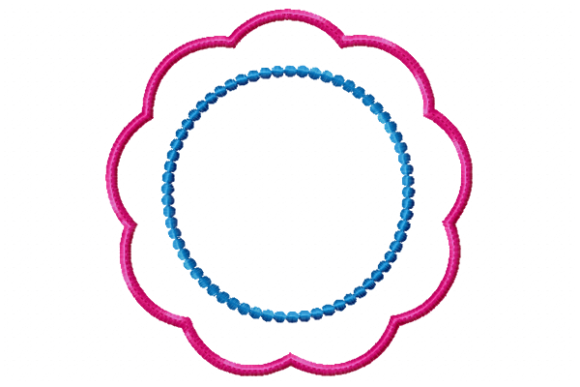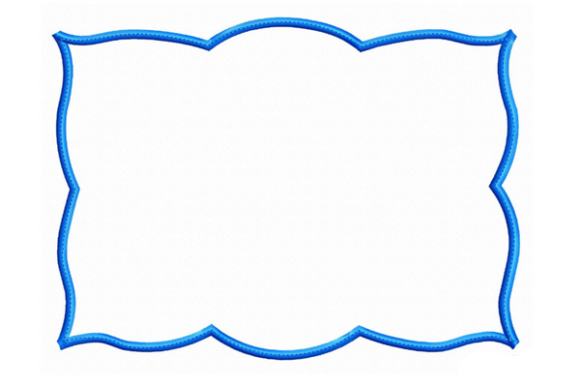
Review: Placemats Coasters Mug Rug in the Hoop
As an embroidery designer who has spent years digitizing and testing files for commercial use, I approach every new machine embroidery design with a critical eye. It is not just about whether the stitches look pretty on a sample hoop; it is about how that design performs when scaled down for a branded patch, stitched onto a curved cap, or used as a value-add for small business merchandise. Recently, I evaluated the Placemats Coasters Mug Rug in the Hoop to determine its viability for professional applications beyond its intended home decor use. While the product description highlights its utility for table runners and quilts, my focus was on its potential for small business merch, boutique branding, and custom apparel.
First Impressions: Visual Personality and Brand Fit
The immediate impression of the Placemats Coasters Mug Rug in the Hoop is one of warmth and approachability. The "In the Hoop" construction suggests a finished, polished edge that eliminates the need for complex finishing techniques by the end user. For a brand identity centered around comfort, hospitality, or handmade quality, this aesthetic is invaluable. It feels rustic yet refined, making it an excellent candidate for businesses in the tea, bakery, or floral industries. The design does not scream "corporate"; instead, it whispers "artisan." This distinction is crucial when selecting design assets for customer gifts or event merch where you want to evoke a sense of personal care rather than mass production.
However, from a technical standpoint, the complexity of an In the Hoop project requires careful consideration. The layers involved mean that stitch density must be managed meticulously to prevent bulk. When reviewing this as a potential element for branded patches or apron embroidery, I looked for clean transitions between fabric layers and secure locking stitches. A sloppy In the Hoop design can unravel after a single wash, which is unacceptable for commercial embroidery projects.
Real-World Business Applications
While the primary function is a mug rug, the versatility of this digital embroidery file extends into several lucrative areas for embroidery shops and handmade brands. Here is how I envision this design performing in real business scenarios:
- Branded Patches and Labels: If the design can be scaled down effectively, it serves as a charming label for handmade products. Imagine a small batch of artisan jams or teas packaged with a fabric tag featuring this embroidered motif. It elevates the perceived value of the finished product instantly.
- Staff Uniforms and Aprons: For cafes and boutiques, staff attire is a walking billboard. Embroidering this design on the corner of an apron adds a touch of elegance without overwhelming the uniform. It works particularly well for businesses in the Tea sector, where the mug rug concept aligns perfectly with the service provided.
- Tote Bag Design Accents: Instead of a large, expensive chest logo, this design could be used as a subtle accent on canvas tote bags. It appeals to customers who prefer understated branding over loud graphics.
- Customer Gifts and Loyalty Rewards: Small businesses thrive on community. Offering a high-quality, handmade coaster as a loyalty reward creates a tangible connection. Because it is made In the Hoop, the production time is predictable, allowing for efficient batch creation.
Technical Considerations for Professional Use
Before integrating the Placemats Coasters Mug Rug in the Hoop into your commercial workflow, there are several technical hurdles to address. As a designer, I always advise testing the embroidery file rigorously before selling or using it for client work.
Fabric Texture and Stabilizer Selection
The success of any In the Hoop design relies heavily on the interaction between the fabric texture and the stabilizer. For mug rugs, you typically use thicker fabrics like cotton or linen. However, if you attempt to adapt this design for lighter apparel fabrics, you risk puckering. I recommend using a cut-away stabilizer for durability, especially if the item will undergo frequent washing. For caps or curved surfaces, the stiffness of the layered fabric might be too bulky, so this design is best reserved for flat or slightly curved items like tote bags or aprons.
Scale and Detail Integrity
One of the biggest risks with repurposing home decor designs for merchandise is scale. A design that looks intricate and beautiful at six inches may become a muddy mess at two inches. If you plan to use this as a chest logo or a small patch, you must verify that the details hold up. Check the spacing between elements. If the thread colors are too similar or the stitches are too dense, the design will lose its definition. I always create a printable mockup at the intended size to visualize the final impact before stitching a single thread.
Color Contrast and Branding
To ensure the design aligns with your brand identity, test it in black and white first. If the design loses its shape without color, it lacks structural integrity. For commercial use, consider how the thread colors interact with the base fabric. Dark uniforms require lighter threads for visibility, while light canvases allow for more subtle, tonal embroidery. Always compare the stitched sample beside other design assets to ensure visual consistency across your product line.
Enhancing Brand Identity and Customer Trust
In the world of custom apparel and handmade goods, perception is reality. Using a high-quality, well-executed design like the Placemats Coasters Mug Rug in the Hoop signals professionalism. It shows that you care about the details. When a customer receives a product with a neatly embroidered accent, their trust in your brand increases. It differentiates your handmade product from cheap, printed alternatives.
Furthermore, this type of design encourages engagement. Customers love behind-the-scenes content. Sharing the process of creating these In the Hoop items on social media can drive interest and sales. It highlights the craftsmanship involved, justifying higher price points for your merchandise. Whether you are an Etsy seller looking to expand your product range or a local shop wanting to create unique employee uniforms, this design offers a pathway to distinct, recognizable branding.
Final Designer Notes and Recommendations
Before you purchase or deploy this machine embroidery design for your business, keep these final checks in mind:
- Verify Licensing: Confirm the commercial licensing terms. Ensure you are allowed to sell physical items made with this file. Never assume; always read the license included with the digital embroidery file.
- Check Technical Specs: The product description does not specify exact stitch counts or hoop sizes. You must check these details before production to ensure compatibility with your machines.
- Test on Real Fabric: Do not rely solely on digital simulations. Stitch out the design on the actual material you intend to use for your merchandise.
- Evaluate Washability: If these items are meant for daily use, such as coasters or aprons, they must withstand washing. Test for fraying and colorfastness.
In conclusion, the Placemats Coasters Mug Rug in the Hoop is a versatile asset for the right business. It bridges the gap between functional home decor and branded merchandise. With careful attention to scale, stabilizer choice, and fabric selection, it can become a staple in your design assets library, helping you create memorable, high-quality products that resonate with your customers. For those in the Embroidery industry looking to add a touch of handmade charm to their commercial offerings, this design is worth a serious trial run.