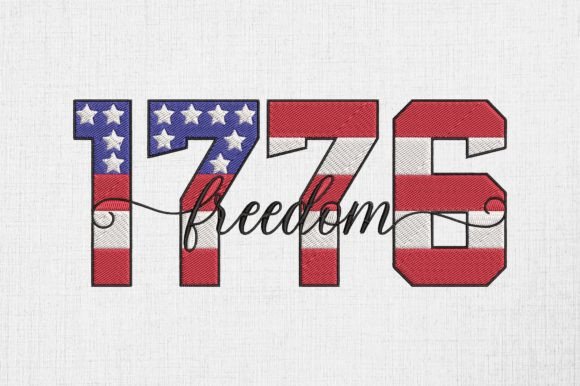
Review: Freedom 1776 4th of July for Merch
As an embroidery designer who has spent years digitizing and reviewing files for small businesses, I know that not every machine embroidery design is created equal. When a client approaches me with a request for seasonal merchandise, I look for versatility, stitch quality, and brand alignment. Recently, I evaluated the Freedom 1776 4th of July design to determine its viability for commercial use. This review focuses on how this specific asset performs in real-world applications, from boutique patches to staff uniforms, rather than just its aesthetic appeal.
First Impressions: Visual Personality and Brand Fit
The title alone suggests a bold, patriotic theme, but the execution is what matters for business owners. Upon initial inspection, Freedom 1776 4th of July strikes a balance between classic Americana and modern simplicity. It does not feel overly cluttered, which is a common pitfall in holiday-themed designs. For a handmade brand or a local shop, this visual personality translates well. It feels professional yet approachable, avoiding the cheap look of overly complex, high-density fills that can puckering on lighter fabrics.
For businesses operating in the lifestyle, apparel, or home decor sectors, this design offers a decorative touch that aligns with the Independence Day season without being so niche that it cannot be worn beyond July 4th. The aesthetic leans towards a rustic, timeless vibe, making it suitable for brands that value tradition and community. Whether you are running a bakery, a florist shop, or a creative studio, the design’s clarity ensures it remains legible and impactful.
Real-World Applications for Small Business Merch
The true test of any digital embroidery file is its adaptability across various products. Based on the description, this design is intended to complement t-shirts, dresses, scarves, and home decor. Here is how I see it performing in specific commercial scenarios:
- Embroidered Patches: This is perhaps the strongest use case. A patch allows customers to add the design to existing jackets or bags. The Freedom 1776 4th of July motif works exceptionally well as a standalone embroidered patch because it likely features clear boundaries and distinct color blocks. Patches are high-margin items for Etsy sellers and boutique owners.
- Staff Uniforms and Aprons: For cafés and bakeries preparing for summer events, apron embroidery adds a premium touch. Placing this design on the chest pocket area of a denim or canvas apron creates a cohesive team look. It signals attention to detail and enhances brand identity.
- Cap Embroidery: Caps are staple merchandise items. However, curved surfaces require careful digitizing. If the design is compact, it serves as an excellent front-panel accent. It avoids the bulk that can distort the shape of a structured cap, ensuring the finished product looks clean and professional.
- Tote Bag Design: Canvas tote bags are popular for grocery runs and beach trips during the summer. The design’s potential scalability makes it a strong candidate for tote bag design, offering a durable alternative to printed ink that often cracks or fades.
Technical Considerations and Production Challenges
While the aesthetic is promising, production realities must be addressed. As a designer, I advise caution in several areas when using Freedom 1776 4th of July for mass production or custom orders.
Stitch Density and Fabric Texture
One must consider stitch density relative to the fabric texture. If the design uses heavy satin stitches or dense fills, it may cause puckering on lightweight materials like thin cotton t-shirts or silk scarves. I recommend testing the design on a scrap piece of your actual inventory fabric before committing to a full run. For textured fabrics like towels or heavy canvas, ensure the underlay stitches are sufficient to anchor the design properly.
Size Constraints and Legibility
Small details can get lost when scaling down. If you intend to use this as a small left-chest logo on a polo shirt or a tiny label on a garment, verify that any text elements within the "1776" or "Freedom" components remain legible. Tiny lettering often merges together after washing. Always check the minimum viable size for your specific hoop size capabilities. If the design includes fine outlines, they may break or look sparse at smaller dimensions.
Color Contrast and Thread Selection
Patriotic themes typically rely on red, white, and blue. However, relying solely on these colors can limit versatility. I suggest creating a printable mockup using alternative thread colors to see how the design performs on dark uniforms versus light home decor items. High contrast is key for recognition. If your brand colors differ from traditional patriotic hues, test whether the design holds its structural integrity when digitized in monochrome or brand-specific palettes.
Enhancing Brand Identity and Customer Trust
Using high-quality design assets like Freedom 1776 4th of July directly impacts customer perception. A crisp, well-executed embroidery signals professionalism. It transforms a simple t-shirt or tote into a keepsake. For small business merch, this perceived value allows for higher pricing points. Customers associate embroidered goods with durability and craftsmanship, unlike mass-produced printed items.
Consistency is crucial for brand identity. If this design aligns with your existing visual language, it reinforces recognition. For example, a local boutique using this design on limited-edition summer bags creates a sense of exclusivity. It encourages buyer engagement, as customers are more likely to share photos of unique, well-made items on social media. This organic marketing is invaluable for custom apparel brands and handmade product sellers.
Practical Designer Notes for Implementation
Before launching your commercial embroidery campaign with this file, follow these practical steps to ensure success:
- Test in Black and White: Convert the design to grayscale in your software or on paper. If the shapes lose definition without color, the design relies too heavily on hue rather than form. A strong design should work in monochrome.
- Verify File Formats: The product description states it comes with multiple embroidery file formats. Ensure you have the correct format for your machine (e.g., PES, DST, JEF). Using a converter can sometimes alter stitch paths, so native files are preferred.
- Check Commercial Licensing: Always confirm the license terms. Since you are using this for small business merch and sales, you must have explicit permission for commercial use. Do not assume; read the documentation provided with the embroidery file.
- Use Proper Stabilizer: Match your stabilizer to the fabric. Cut-away stabilizers are generally better for garments that will be washed frequently, while tear-away may suffice for home decor items that undergo less stress.
- Create Client Mockups: If you are fulfilling custom orders, generate a printable mockup for client approval. This manages expectations regarding size and placement, reducing the risk of returns or dissatisfaction.
- Inspect Spacing: Look at the spacing between elements. Tight spacing can lead to thread breaks or bird-nesting during high-speed embroidery. Adjust pull compensation if necessary.
Final Verdict for Business Owners
The Freedom 1776 4th of July design offers significant potential for businesses looking to capitalize on seasonal demand while maintaining a professional image. Its versatility across patches, caps, and apparel makes it a valuable addition to your library of design assets. However, success depends on technical execution. By paying attention to stitch density, fabric compatibility, and proper stabilization, you can produce high-quality items that enhance your brand identity and drive sales.
Remember, the goal is not just to sell a product, but to deliver a finished product that reflects the quality of your brand. Take the time to test, refine, and perfect the application of this design. When done correctly, it becomes more than just holiday decor; it becomes a lasting symbol of your business’s commitment to quality and style.